
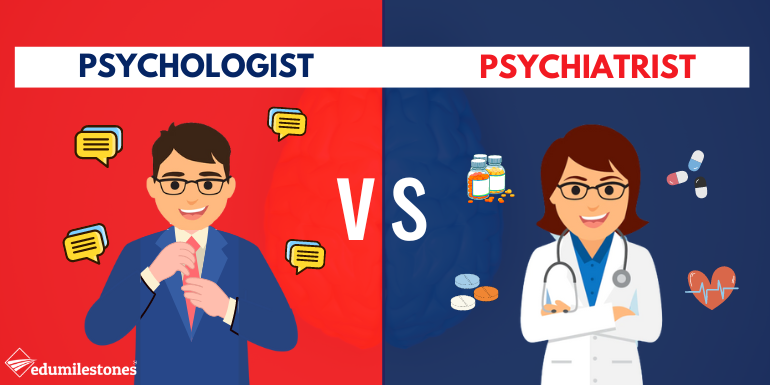
A Psychologist (e.g., clinical psychologist) provides therapy and counseling. They usually cannot prescribe medication (in most countries).
-
A Psychiatrist is a medical doctor who can diagnose mental disorders and prescribe medication.
How a Psychologist Counsels a Psychiatric Patient
Step 1: Initial Assessment (Intake Session)
The psychologist:
-
Takes detailed history (personal, family, medical, trauma, stressors)
-
Assesses symptoms (anxiety, depression, hallucinations, mood swings, etc.)
-
Uses psychological tests if needed
-
Identifies diagnosis (sometimes in collaboration with a psychiatrist)
Step 2: Treatment Plan
A treatment plan includes:
-
Therapy type (CBT, DBT, Psychodynamic, etc.)
-
Number of sessions
-
Goals (reduce anxiety, improve mood, manage anger, etc.)
-
If medication is needed → refer to psychiatrist
Step 3: Therapy Process
Common Therapy Methods
1️⃣ Cognitive Behavioral Therapy (CBT)
-
Helps patient identify negative thoughts
-
Teaches how to change harmful thinking patterns
-
Used for depression, anxiety, OCD
2️⃣ Dialectical Behavior Therapy (DBT)
-
Emotion regulation
-
Distress tolerance
-
Often used for borderline personality disorder
3️⃣ Psychodynamic Therapy
-
Focuses on childhood and unconscious conflicts
4️⃣ Supportive Counseling
-
Emotional support
-
Active listening
-
Building coping skills
Terms and Conditions of Counseling
Professional psychologists follow ethical guidelines such as:
✔ Confidentiality
-
Everything shared is private
-
Except if patient is a danger to self or others
✔ Informed Consent
-
Patient is informed about:
-
Therapy process
-
Risks and benefits
-
Duration
-
Fees
-
✔ Professional Boundaries
-
No personal relationship outside therapy
-
No exploitation
✔ Emergency Protocol
-
If suicidal risk → immediate psychiatric referral or hospitalization
Medication in Psychiatric Treatment
⚠ Important: Only a psychiatrist prescribes medication.
Common medication categories:
1️⃣ Antidepressants
Used for depression and anxiety.
Examples:
-
SSRIs (e.g., Fluoxetine, Sertraline)
-
SNRIs (e.g., Venlafaxine)
2️⃣ Anti-Anxiety Medications
-
Benzodiazepines (short-term use)
3️⃣ Antipsychotics
Used for schizophrenia, bipolar disorder with psychosis.
Examples:
-
Risperidone
-
Olanzapine
4️⃣ Mood Stabilizers
Used in bipolar disorder.
Examples:
-
Lithium
-
Valproate
How Psychologist and Psychiatrist Work Together
-
Psychiatrist manages medication
-
Psychologist provides therapy
-
Both monitor progress
-
Regular case reviews


0 Comments