
Counseling and Treatment for Anxiety, Overthinking, and Irritability

1. Understanding the Problem
Sometimes a person becomes extremely worried about a particular issue. That thought keeps repeating in the mind again and again. This condition is called overthinking or rumination.
When a person constantly thinks about the same issue:
-
Anxiety increases
-
The body remains under stress
-
Sleep becomes disturbed
-
Irritability develops
-
Physical symptoms appear (like stomach gas, headaches, fatigue)
In psychology, such conditions may be related to disorders like:
-
Generalized Anxiety Disorder
-
Insomnia
-
Depression
However, only a qualified mental health professional can confirm a diagnosis.

2. Symptoms a Counselor Will Observe
A counselor first studies the symptoms carefully. Common signs include:
-
Constant worrying about the same issue
-
Repeated negative thoughts
-
Blaming oneself or others
-
Irritability and anger
-
Digestive problems (gas or stomach discomfort)
-
Poor sleep or insomnia
-
Fatigue and mental exhaustion
-
Difficulty focusing
These symptoms often indicate high stress and anxiety levels.
3. Initial Psychological Assessment
Before treatment, the counselor conducts a psychological assessment. This may include:
Personal Interview
The counselor asks questions about the person’s life, stress factors, and emotional state.
Medical History
If the person is already taking medication, the counselor reviews:
-
Which medicine is being taken
-
Side effects
-
Duration of medication
Sometimes medication may increase irritability or disturb sleep.
Lifestyle Evaluation
The counselor evaluates:
-
Sleep routine
-
Diet
-
Work stress
-
Social environment
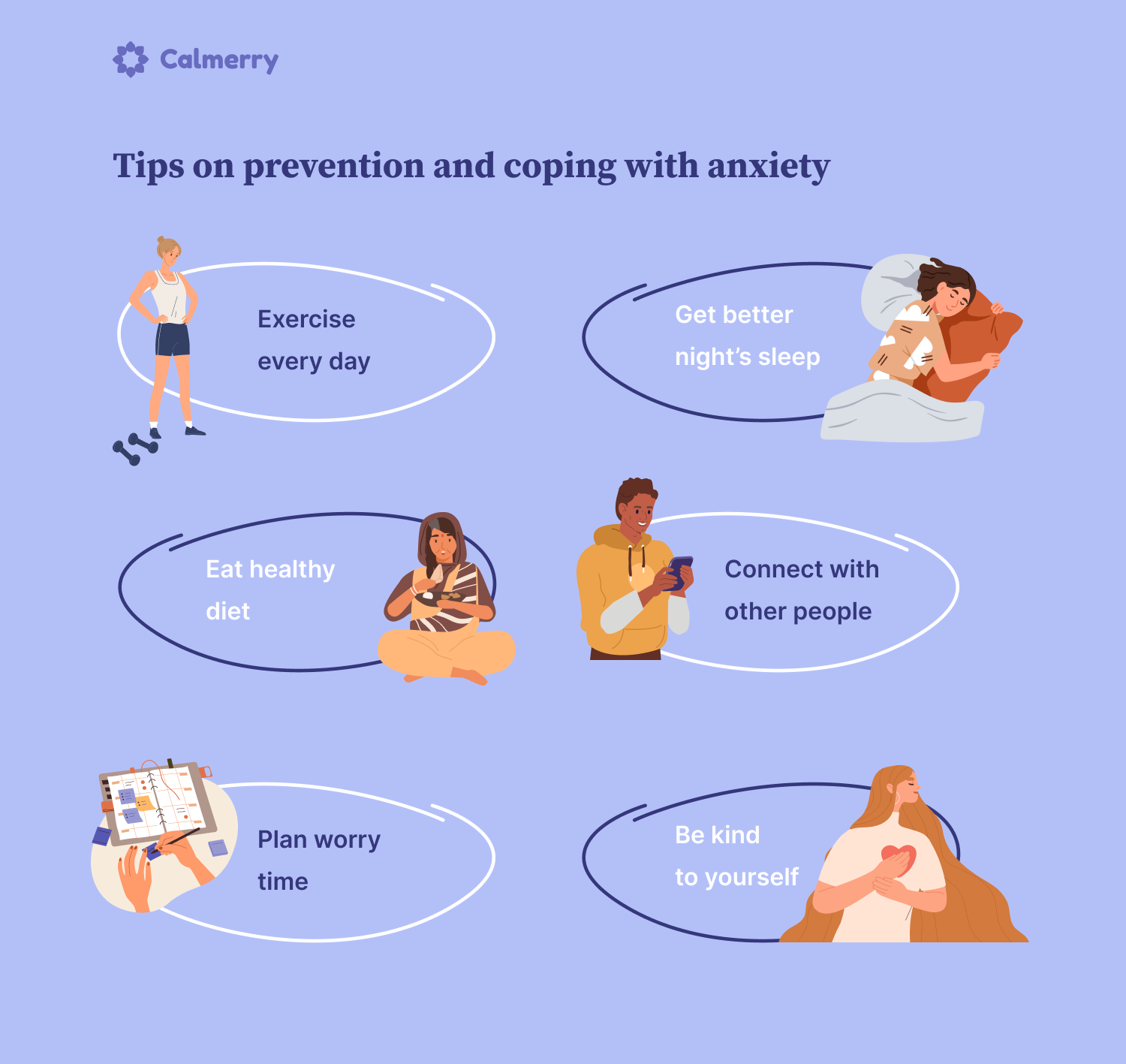
4. Questions a Counselor May Ask
A counselor may ask questions such as:
-
What issue worries you the most?
-
When did this problem start?
-
How often do these thoughts come to your mind?
-
Do you feel your thoughts are uncontrollable?
-
How is your sleep routine?
-
Do you experience stomach discomfort when stressed?
-
Are you blaming yourself for something?
-
What medication are you currently taking?
-
Do you feel calm at any time during the day?
These questions help identify triggers and emotional patterns.
5. Psychological Treatment Methods
Counselors typically use non-medication therapy techniques to help manage anxiety.
1. Cognitive Behavioral Therapy (CBT)
One of the most effective treatments for anxiety is Cognitive Behavioral Therapy (CBT).
This therapy helps the person:
-
Identify negative thoughts
-
Challenge irrational beliefs
-
Replace negative thinking with realistic thinking
Example:
Negative thought:
“I always fail.”
Healthy thought:
“I made a mistake, but I can improve.”
2. Thought Control Techniques
The counselor teaches methods to stop repetitive thinking:
-
Write down worrying thoughts
-
Schedule a “worry time” (10–15 minutes daily)
-
Shift focus to problem-solving instead of rumination
This reduces mental overload.
3. Relaxation and Breathing Exercises
Anxiety directly affects the nervous system. Relaxation exercises help calm the body.
Examples:
-
Deep breathing (inhale for 4 seconds, exhale for 6 seconds)
-
Progressive muscle relaxation
-
Meditation
These techniques reduce physical symptoms like stomach tension and gas caused by stress.
4. Sleep Therapy
To improve sleep, counselors recommend:
-
Fixed bedtime routine
-
Avoiding mobile phones before sleep
-
Reducing caffeine intake
-
Practicing relaxation before bed
Good sleep is essential for mental stability.
5. Emotional Awareness Therapy
Sometimes people suppress emotions. A counselor helps them:
-
Express feelings safely
-
Understand emotional triggers
-
Reduce self-blame
This reduces irritability and frustration.
6. Lifestyle Changes Recommended
Counselors also guide patients to make healthy lifestyle changes.
Physical Activity
Exercise helps release stress hormones.
Balanced Diet
Healthy food improves gut health and reduces stomach issues.
Social Support
Talking to trusted friends or family reduces emotional pressure.
Limiting Negative Thinking
Engaging in hobbies and productive activities shifts focus away from anxiety.
7. Medication Review
If the person is taking medication but experiencing side effects, the counselor may recommend consulting a psychiatrist.
The psychiatrist may:
-
Adjust the dosage
-
Change medication
-
Combine medication with therapy
Medication alone is rarely enough without counseling.
8. Expected Recovery Process
Recovery usually happens gradually.
With regular counseling sessions, the person can:
-
Reduce overthinking
-
Manage anxiety
-
Improve sleep
-
Control irritability
-
Develop healthier thinking patterns
Most people begin to see improvement within 6–12 therapy sessions.


0 Comments